Column · @dantephyw349
Bar NYC by Mood: Fun, Relaxed, Romantic, or Lively
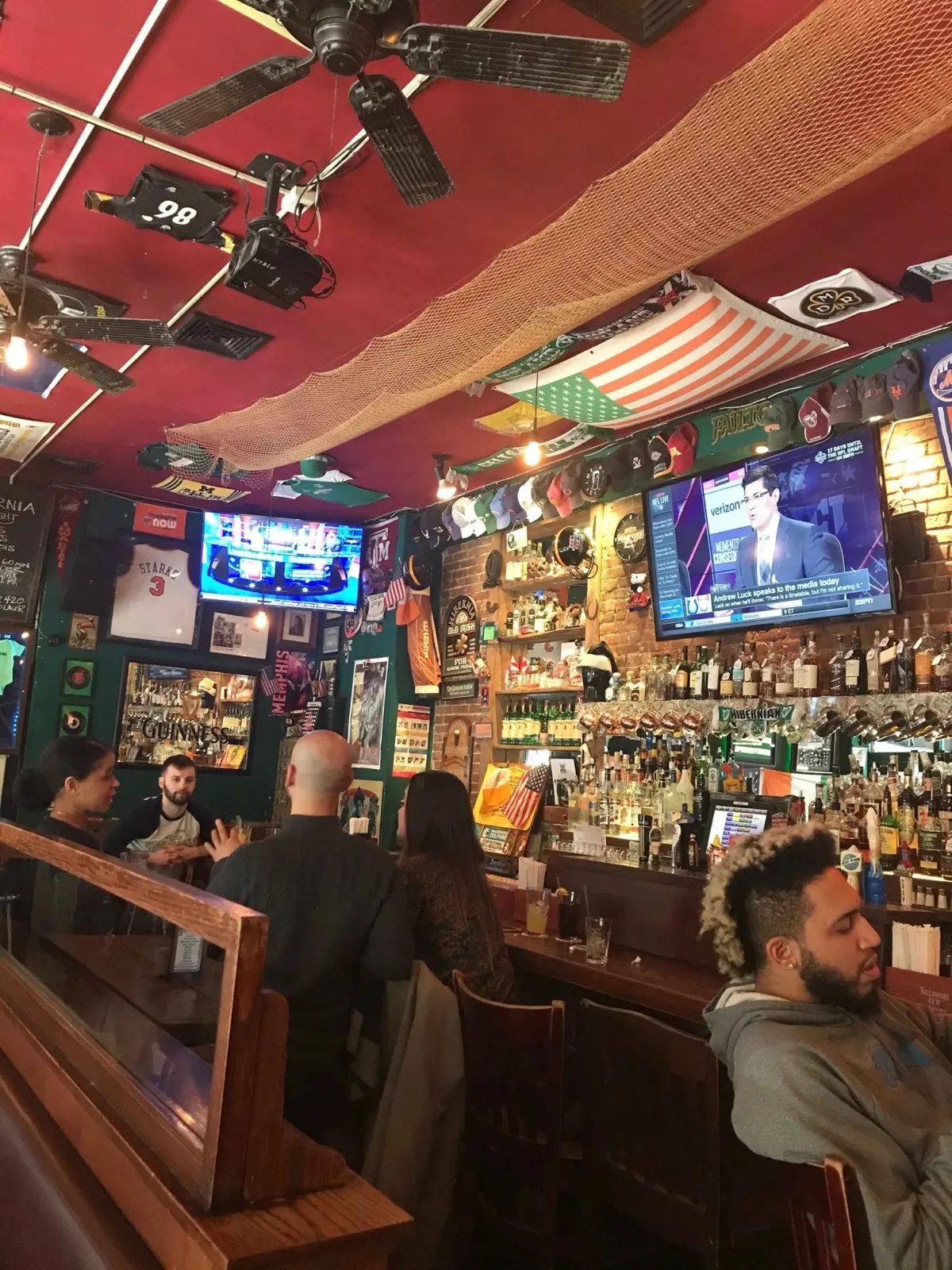
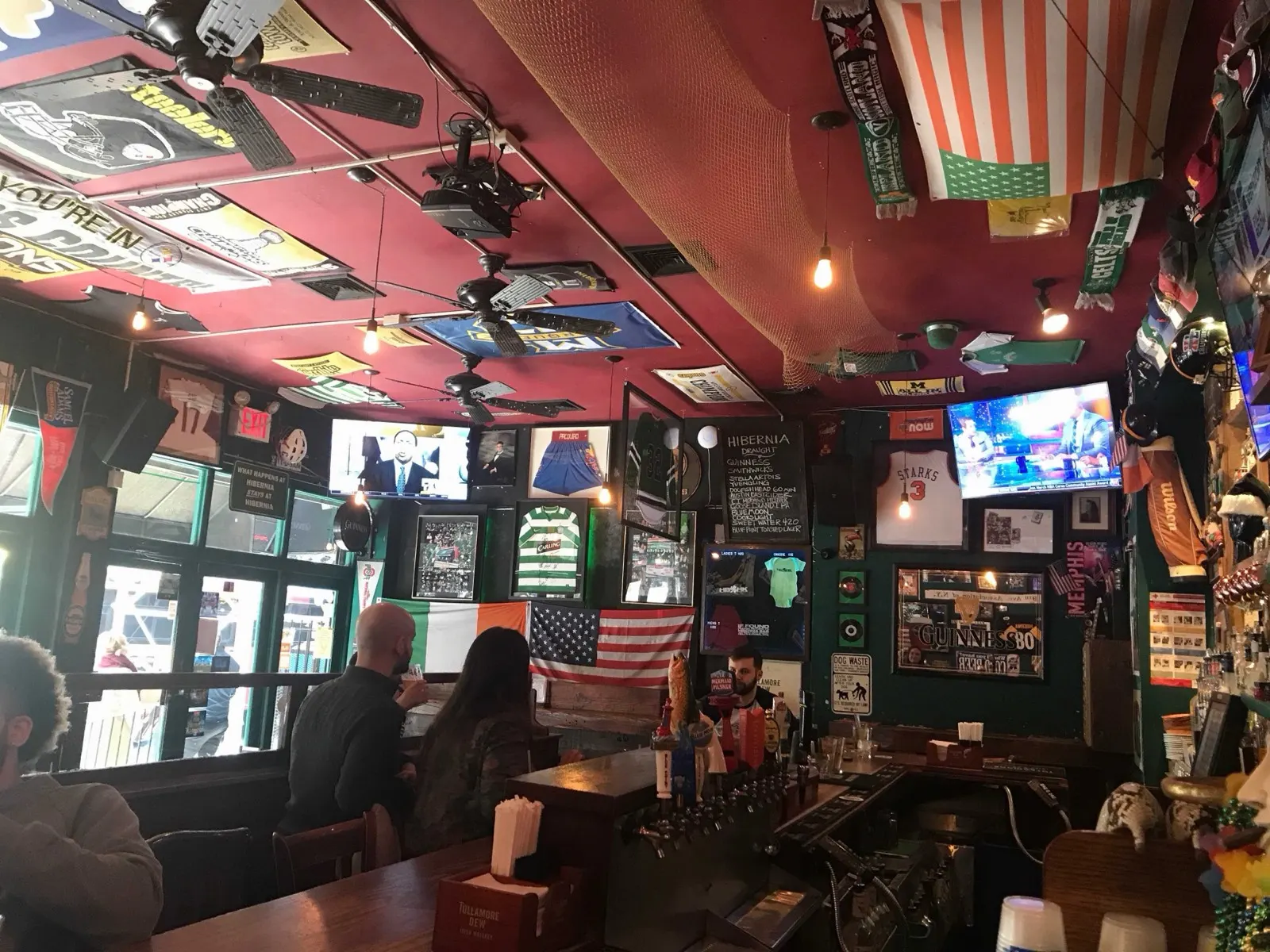
New York is one of the few cities where choosing a bar is rarely just about the drink. It is usually about the mood you want the night to carry. A martini can taste excellent in a jewel-box cocktail room and strangely flat in a packed sports bar. A great playlist can rescue an average wine list. Lighting, noise, table spacing, pace of service, even the shape of the room, all of it changes what kind of night you end up having.
That is why the smartest way to approach a night out is not by neighborhood alone or by a best-of list, but by mood. People often search for a Bar NYC guide when what they really need is a better filter. Not the highest-rated place on an app, not the newest opening with impossible reservations, but the right room for the kind of evening they want. Fun has different requirements than romantic. Relaxed and lively may sound close on paper, but in practice they ask for opposite things from both a bartender and a crowd.
Over years of meeting friends, taking dates, hosting out-of-town clients, and grabbing quiet solo drinks between downtown dinners and uptown obligations, one pattern has held up: the best bar choice is the one that matches your energy before you walk in. If you get that right, almost everything else falls into place.
Why mood matters more than hype
A hyped bar can be terrific and still be wrong for your night. The city is full of places that are objectively well run, with sharp bartenders, serious spirits programs, and polished interiors. Yet if you show up wanting to talk and land in a room where the music bounces off tile and everyone is standing shoulder to shoulder, you will remember the night as exhausting. The reverse is also true. A quiet, handsome room can feel dead if your group came out expecting movement, volume, and that loose New York sensation that the evening could stretch in any direction.
Mood is practical, not abstract. It shapes how long you stay, how much you spend, whether you order a second round, and whether you can hear the person across from you. It also changes by the hour. A bar that feels relaxed at 6:15 can become lively by 8:30 and chaotic by 10:30. In New York, the time slot matters almost as much as the address.
There is also the issue of expectations. Visitors often assume a great New York bar should deliver everything at once: atmosphere, low noise, quick service, strong drinks, reasonable prices, and easy entry. Usually, you are choosing a combination, not perfection. A romantic room may have slower service because everyone lingers. A lively place may require some elbowing at the bar. A fun bar with a playful concept might not make the most nuanced Negroni in Manhattan. Knowing the trade-off in advance is what separates a satisfying night from a frustrating one.
If the mood is fun, look for energy with a point of view
“Fun” is one of those words that means almost nothing until you break it down. In New York, fun bars usually have a strong identity. Maybe the soundtrack is great, maybe the frozen drinks are better than they need to be, maybe the room invites you to loosen up without feeling sloppy. The best versions do not try too hard. They feel animated rather than engineered.
A fun bar works especially well for groups of three to six, birthdays that are not formal enough for a private room, first nights out with new coworkers, or visitors who want a city buzz without a velvet-rope mood. Think places where people are laughing a little louder than usual, where the menu has at least one drink people point at on the next table, and where the room keeps moving. Good fun bars understand pacing. They get drinks out quickly, train staff to handle turnover without making guests feel rushed, and often offer food that is easy to share and hard to overthink.
The mistake people make with fun bars is confusing gimmick with atmosphere. A bar can have themed glassware, disco balls, or a long menu of elaborate drinks and still feel flat if the crowd is wrong or the room is poorly laid out. Real fun is social frictionless energy. You can step in halfway through the night and immediately understand the place.
Lower Manhattan is particularly strong at this mood. So are parts of Williamsburg and the East Village. In those areas, you will find bars that balance quality with irreverence. The sweet spot is a room with enough design to feel considered, enough music to lift the space, and enough confidence not to overexplain itself.
Timing matters here. If you want fun without a line, arriving around 6:30 or 7 can be ideal. If you want the room at full swing, 9 onward usually delivers, though you pay for it in volume and personal space. Friday at 10:15 and Tuesday at 7:45 can feel like two completely different businesses.
For a relaxed night, comfort wins over spectacle
Relaxed bars are the least flashy and often the most useful. These are the places that save nights. You had a long day, your dinner ran late, your friend needs to vent, or you simply want one excellent drink in a room that does not demand performance from you. New York does relaxed very well when it chooses softness over status.
A genuinely relaxed bar has several tells. The lighting is low but not theatrical. Seats are comfortable enough that you stop checking your posture. Music exists, but it does not insist. Bartenders are attentive without hovering. The drink list is edited, which is usually a good sign. It suggests confidence and consistency. You are less likely to get a novelty and more likely to get a properly chilled Martini or a Manhattan made by someone who understands dilution.
Hotel bars often excel here, though not all of them. The best ones offer a kind of social anonymity that New Yorkers and visitors both appreciate. You can be dressed up or underdressed and nobody cares. Neighborhood wine bars can also hit this mood, especially when they avoid the cramped austerity that makes some natural wine spots feel more Bar NYC like seminars than places to unwind.
Relaxed does not have to mean quiet in an absolute sense. It means the room leaves space around the experience. You can finish your sentence. You can read the menu once and know what you want. You do not feel penalized for staying with one drink longer than average. In a city that monetizes pace, that is a meaningful luxury.
This is the mood I recommend most often for mixed groups, especially when people are arriving from different parts of the city. It forgives lateness. It works for old friends and new acquaintances. It gives everyone room to settle into the same evening. If you are choosing the bar and feel uncertain about the chemistry of the group, relaxed is usually the safest bet.
Romance needs privacy, not just candlelight
Romantic bars get misread all the time. Dim lighting helps, of course, but romance in New York is more about intimacy than darkness. A room can be candlelit and still kill a date if tables are packed too closely or the music pushes every conversation toward a shout. The best romantic bars offer a sense of enclosure. You feel slightly removed from the city, even if taxis are flying past the windows outside.
Scale matters more than people realize. Smaller rooms tend to feel more romantic because they force a certain concentration. Banquettes help. Bar seats can also work, though only if they allow a couple to talk without twisting awkwardly. Service should be polished but discreet. A bartender who reads the room, paces interaction well, and knows when not to interrupt contributes more to atmosphere than any number of candles.
Cocktail bars usually have an edge here over louder wine bars or beer halls, because the structure of the experience supports lingering. A well-made drink buys time. It gives the table a rhythm. So does a concise spirits menu or a short food offering. You want enough choice to feel considered, not so much that the menu becomes homework.
Romance also depends on confidence in execution. If you are taking someone somewhere meant to feel special, basic service mistakes land harder. A 20-minute wait for a first round, an unstable table, or a room so dark that reading the menu becomes a group effort can puncture the mood quickly. New York has no shortage of beautiful bars, but beauty alone is not enough. The room has to support conversation and attention.
There is another subtle point. Not every romantic bar should feel expensive in a showy way. Some of the best date spots in the city succeed because they feel a little hidden, a little self-possessed. They suggest taste rather than announce it. Those rooms tend to age better too. Trend-led romance often dates badly. Quiet confidence rarely does.
For first dates, I usually favor bars that sit between relaxed and romantic. Too formal can raise the temperature too quickly. Too casual can make the night feel interchangeable. For anniversaries or rare nights out, then it makes sense to lean fully into atmosphere.
Lively is not the same as fun
This distinction matters. A lively bar has momentum. It may or may not be playful. It tends to draw a crowd that is there to be out, not merely to drink. You feel it at the entrance, in the bar traffic, in the way people scan the room. Lively places are ideal when the night still has somewhere to go, whether that means another bar, a late dinner, dancing, or simply that satisfying sense of being in the middle of New York while New York is fully awake.
The drinks at lively bars do not always need to be the main attraction, though they cannot be bad. What matters more is speed, confidence, and a room that keeps circulating. There is often standing space. Reservations, if offered, become valuable because claiming a corner or a table changes the experience entirely. The best lively bars feel buoyant rather than overcrowded. That sounds like a small distinction, but anyone who spends time in the city knows the difference in their shoulders within ten minutes.
These are strong choices for reunion nights, post-event drinks, celebratory dinners that are not ready to end, and younger groups who want a social current around them. They are less ideal for serious catch-ups or nuanced conversation. If someone says, “I really need to talk to you,” do not take them to a lively bar unless you plan to stay for one drink and move on.
Lively bars also have the shortest margin for error on timing. Too early and they can feel hollow, almost awkward. Too late and every flaw gets amplified by the crush. If a place is known to peak around 10, walking in at 8:30 usually gives you the best version of it. Enough people for atmosphere, not so many that ordering becomes combat.
The neighborhood changes the mood before you enter
Even before you cross the threshold, New York neighborhoods preload expectations. The West Village tends to favor charm, date energy, and the kind of bars that reward lingering. The Lower East Side leans more kinetic, more experimental, often more forgiving of spontaneity. Midtown can surprise people, especially in hotels and older institutions where the room itself carries history and the crowd is more mixed than downtown regulars expect.
Brooklyn complicates the map in a good way. Williamsburg can give you highly designed lively spaces one block and deeply relaxed neighborhood bars the next. Greenpoint often rewards those who want something calmer and a touch less performative. In Cobble Hill or Fort Greene, bars can feel locally rooted in a way that softens the usual New York pressure to optimize every plan.
None of this is fixed. Every neighborhood contains exceptions, and some of the most satisfying nights come from finding one. Still, location affects mood because it affects who walks in, how people dress, what time the room fills, and whether the crowd is bar-hopping or settling in.
If your evening includes dinner, theater, or a long subway ride, the “perfect” bar two neighborhoods away may be less perfect in practice. New York rewards convenience more than visitors expect. A very good bar five minutes away will often beat a great one 35 minutes away, especially in bad weather, after a late reservation, or when your group is already tired.
Service style is part of the atmosphere
People talk about bars as though décor and drinks do all the work, but service style is often what defines the room. A fun bar needs bartenders who can handle volume without getting brittle. A relaxed bar needs calm precision. A romantic bar benefits from restraint. A lively bar needs speed and a bit of command.
This is where experience really shows. At well-run bars, staff shape the night without obvious theatrics. They know when to let a table stay a while, when to suggest moving to the bar, when to quietly steer a guest away from the wrong order, and when to drop the check efficiently because the room is turning over. Bad service can ruin any mood, but in New York, mismatched service is just as common. I have been in beautiful quiet bars where every interaction felt rushed, and high-energy places where bartenders somehow made the chaos feel generous.
If you care about a specific mood, pay attention to the first five minutes. How are guests greeted? How does the room absorb walk-ins? Are bartenders making eye contact or operating in pure survival mode? You can often tell immediately whether the space will support the night you had in mind.
A few practical cues that help in real life
When people struggle to choose, I usually tell them to make the decision by friction points rather than by fantasy. Ask what would most disappoint the group. Not hearing each other? Waiting 40 minutes to get in? Paying premium cocktail prices for a room with no charm? Once you know the deal-breaker, the right category appears faster.
Here are a few cues that consistently help:
- If conversation is the priority, choose relaxed or romantic and go early.
- If the group wants movement and buzz, choose lively and avoid peak entry crush if possible.
- If you are with visitors, fun is often the safest mood because it gives them a memorable version of the city.
- If the chemistry of the night is uncertain, default to relaxed over lively.
- If it is a date, pick a place where the lighting flatters and the music does not fight the table.
Those rules are not rigid, but they hold up more often than not. The city offers endless choice, yet most bad bar nights come from one simple mismatch between mood and venue.
How to choose better without overplanning
There is a fine line in New York between being intentional and turning drinks into logistics. The trick is Bar NYC to choose one or two anchor qualities and leave the rest flexible. Maybe the night needs good seating and low noise. Maybe it needs strong cocktails and a social crowd. Maybe it needs beauty, plain and simple. Once you identify the anchor, stop searching for perfection.
That mindset also helps with reservations. Some moods need them more than others. Romantic bars benefit the most from a secured table because uncertainty erodes intimacy fast. Relaxed bars can often work as walk-ins if you go at sensible hours. Lively bars are most improved by reservations, but only if your group is committed to arriving on time. Fun bars vary widely. Some are better discovered spontaneously, especially if part of the pleasure is the room’s unpredictability.
Price should be part of the equation too. New York bar tabs climb quickly, and mood changes how much that matters. People tolerate higher prices more readily in romantic or special-occasion settings because atmosphere is part of the purchase. In a relaxed neighborhood bar, value gets judged more strictly. In lively settings, guests often forgive pricing if service is fast and the room delivers.
The best Bar NYC choice is the one that fits the night
New York encourages category confusion because so many bars want to be all things at once. They market themselves as intimate but energetic, elegant but casual, high-end but approachable. Sometimes that balance is real. Often it is branding. As a guest, your job is simpler. Decide what kind of night you want, then choose the room that serves it best.
Fun bars give the evening momentum and memory. Relaxed bars create ease. Romantic bars sharpen focus. Lively bars feed off the city’s pulse and send you back into it with more energy than you arrived with. None is inherently better than another. They are just better at different things.
That is the useful way to think about a night out in New York. Not where everyone is going, not what is trending this month, not what ranks highest online, but what mood you want to walk into, and what trade-offs you are willing to accept to get it. Once you start choosing bars that way, the city becomes easier to read. More importantly, your nights out get better.
Hibernia Bar
401 W 50th St
New York, NY 10019
(212) 969-9703
FAQ About Bar NYC
What is there to do in Hell's Kitchen, NYC?
Explore the restaurants and bars along Ninth Avenue, catch a Broadway show nearby, or visit the Intrepid Museum on the Hudson River. Hibernia Bar is at West 50th Street and Ninth Avenue, a convenient stop before or after a show.
What are some bars in New York City that serve good food?
Hibernia Bar in Hell's Kitchen serves wings, burgers, fish and chips, and shepherd's pie. Its kitchen lists a 2 a.m. closing time, which makes it an option for dinner after a show or a game.
How far is Hell's Kitchen from Times Square?
Hell's Kitchen is just west of Times Square. From Broadway and West 45th Street, Hibernia Bar is roughly 0.6 miles away, or about a 12-minute walk depending on crowds.